





All You Need to Know Before Traveling to China: Your Free Travel Guide

Introduction

This might be the only guide you need to read before traveling to China: Nihao! I’m FERNANDO, aka @chinaeducations. After 12 years of living, studying, and working in China, I want to thank you by writing this updated China travel guidebook to give you truly useful travel hacks for China, so you can travel and move like a local, even if it’s your first time. We’re not like other travel bloggers or influencers 💁‍♂️, these are real insider tips, from insiders to insiders, zero bullshit 🤫. And I know you don’t have the attention span for a 10,000-word thesis 😏, so I’ve kept this guide compact while still covering all the important things.

Here are some interesting facts that often surprise people when visiting China for the first time:

  1. Hot water ♨️ comes by default: In many Chinese restaurants, you’ll be served plain hot water instead of cold drinks. This comes from the belief that warm water is better for digestion and overall health.
  2. Deodorant isn’t easy to find: Personal deodorant is not commonly used in China and can be surprisingly hard to buy. This is largely due to genetics, as around 90% of Chinese people have a non-functional ABCC11 gene associated with body odor.
  3. Your favorite apps won’t work ⛔: Platforms like Instagram, Google, YouTube, Tinder, and TikTok are blocked in China, which means an unexpected digital detox for many travelers. If you’d rather stay connected, don’t worry — this guide explains how to work around it.
  4. Squat toilets are common 🚻: Especially in public places, you’ll often encounter squat-style toilets instead of Western ones, so be prepared.
  5. You’ll stand out as a foreigner 🧑‍🎤: If you don’t look Chinese, expect curious looks, photo requests, and even small free gifts. It’s usually friendly curiosity, and for some locals, you might be the first foreigner they’ve ever met.

This guide gives you everything you need to know before coming to China. It covers how to enter the country, how to get around, and even where to find deodorant (yes, that’s important). So pack your bags and get ready. Let’s make your trip to China easy and enjoyable.

Now days many people, especially those who used to travel freely with a strong passport, are surprised to learn that they need a visa to visit China. China’s visa rules are different from many other countries, so it’s important to check this before you travel. That said, since 2023, China has introduced visa-free entry for travelers from several countries, and more are expected to be added. This means easier, hassle-free travel for many visitors. For the most complete and latest information on China’s visa-free policies and visa requirements, check out our Ultimate China Travel Guide for just $5.90. Below are some examples of the current visa rules:

Here are some recent visa updates you should know about:

See also  New Zealand is expected to be added to the visa-free list

It’s China Safe?

Is China Safe to Visit?

Safety and health are probably on your mind when planning a trip to China, so here’s the real deal — no stress, just what you need to know.

Personal Safety 👷

China is very safe for travelers. Even if you’re a woman walking alone at night, most cities feel calm and secure. There’s a strong police presence and plenty of surveillance in urban areas, which keeps violent crime extremely rare. That said, like anywhere else in the world, keep an eye on your belongings in crowded places such as subway stations and tourist hotspots.

Water & Food

Water 🚰
Tap water in China isn’t drinkable straight from the tap. Locals usually boil tap water before drinking, and you’ll find kettles or water dispensers in hotels, apartments, and offices. Bottled water is cheap and everywhere, usually around $0.20–$0.50 USD.

Food 🍚
Chinese street food is amazing — insiders absolutely love it — but use a bit of common sense. Stick to busy stalls where food is cooked fresh and locals are lining up. For restaurants, food safety is generally solid, and you can always check reviews on Dianping (it has translation). Also, be mindful of food allergies: Chinese cuisine uses ingredients like soy, sesame, and gluten, which can surprise some travelers.

COVID-19 (Are We Still Talking About This?)

Short answer: no worries. All COVID-related restrictions in China have been lifted for quite a while now.

Masks 😷
You’ll still see people wearing masks, and that’s totally normal. Some wear them for health reasons in crowded places, others because it’s just part of everyday life in East Asia (or to skip makeup when running late).

Emergency Numbers 📞

Good to save these, just in case:

  • Police: 110 👮
  • Fire: 119 🚒
  • Ambulance / Medical: 120 🚑
  • Traffic Accidents: 122 🚗

Travel Insurance (Seriously, Don’t Skip This)

Please don’t tell me you’re coming to China without travel insurance. A good policy covering medical care, trip delays, cancellations, and lost luggage lets you travel stress-free.

Public hospitals in China are actually very affordable — think $1–$5 USD for a consultation and $10–$20 USD for an X-ray. But if you end up needing an international hospital where English is spoken, costs can skyrocket fast.

Here are some solid travel insurance options for China:

  • Faye Travel Insurance
    Great coverage, emergency medical services, flexible plans, mobile app support, and strong travel assistance.
    👉 https://www.withfaye.com/
  • Travelex (Best for US travelers 🇺🇸)
    From basic to comprehensive plans. Only available to US residents, but a top choice if you’re from the States.
    👉 https://www.travelexinsurance.com/
  • VisitorsCoverage
    Good options for international travelers, including medical and trip insurance.
    👉 https://www.visitorscoverage.com/
  • World Nomads
    Popular worldwide with flexible coverage. Best for non-US travelers — compare plans before choosing.
    👉 https://www.worldnomads.com/ 

Bottom line? China is safe, easy to navigate, and way less intimidating than people think. Just plan smart, stay aware, and enjoy the ride 🇨🇳✈️

WeChat: One of the Apps You Need to Live in China

WeChat’s Chinese name is 微信 (Weixin), and trust me, you’ll hear it everywhere once you’re in China. WeChat isn’t just a messaging app — it’s basically WhatsApp + Facebook + TikTok + Amazon + Uber + PayPal + Tinder… all rolled into one. If an app exists, WeChat probably does it too.

If you want to experience China like a real insider, install WeChat as soon as possible. Even Elon Musk has publicly praised WeChat as the original “everything app,” and it’s one of the reasons he wanted to turn X into a similar all-in-one platform for the West.
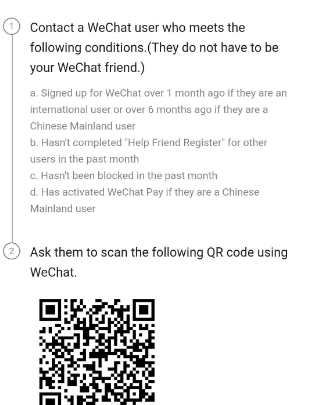
The only small hiccup? When you sign up, WeChat may ask you to activate your account with a referral from an existing user.

Money and Payment: How Do You Pay in China?

China’s official currency is the Renminbi (RMB), also called the Yuan, with the symbol ¥. As a rough reference, 1 USD ≈ 7 RMB and 1 EUR ≈ 8 RMB.
So… do people in China use cash, debit cards, or credit cards? Honestly — not really.

China is basically cashless.
Even beggars accept donations via WeChat Pay and Alipay.
Street markets, food stalls, small shops — many of them only accept mobile payments.

WeChat Pay & Alipay (This Is What Everyone Uses)

WeChat Pay is built directly into the WeChat app, while Alipay is a separate app. These two apps handle almost all daily payments in China, from 1 RMB to 10,000 RMB and beyond. That’s how powerful and common they are.

You might still hear travel agencies say, “Don’t bother downloading WeChat — you need a Chinese bank account.” That used to be true, but not anymore.
👉 Good news: You can now link international credit cards to WeChat Pay and Alipay. And let’s be honest — you can’t really experience China properly without WeChat anyway.

See also  Diiscover The Beauty of Rizhao

Credit Cards 💳

Credit cards aren’t widely accepted, especially at small local restaurants, cafés, or shops. You’ll usually only be able to use them at international hotels, luxury malls, and big brand stores. Don’t rely on cards alone.

Cash 💵

While China runs mostly cash-free, carrying a small amount of cash can still be useful, especially in remote areas or if your WeChat Pay or Alipay suddenly doesn’t work. If you need to exchange money, banks and official exchange counters usually offer the best rates.

Money Exchange & Transfers

If you’re looking for smooth transfers and decent exchange rates, Wise is one of the best options. Formerly known as TransferWise, it’s an online platform for international transfers and currency exchange with low fees and great rates.

👉 Check it out here: https://wise.prf.hn/l/AJbWLPg/ 

That said, as of 2025, exchanging money directly inside WeChat Pay or Alipay is mostly limited to China residents. This may change in the future, but for now, if you hit a wall… asking a Chinese friend for help is sometimes the only workaround 😢

Bottom line: Install WeChat and Alipay before you arrive. It’ll save you time, stress, and a lot of awkward moments at the checkout counter.

Getting Around China: Trains, Flights & Ride Options

Trains 🚄:

Trains are one of the best ways to travel between cities in China. They’re fast, comfortable, affordable, and way more pleasant than flying on short routes.

You can book train tickets in a few ways:

  • 12306 (Official Railway Website)
    This is the one and only official website for all train tickets in China. It’s reliable and comprehensive, but let’s be honest — the user experience isn’t very foreigner-friendly. It works, but takes some patience.
    👉 https://www.12306.cn/en/
  • Trip.com (Best for International Travelers)
    Much easier to use, designed with Western travelers in mind, and prices are the same as the official site. On top of that, Trip.com offers solid English customer service, which is a lifesaver if something goes wrong.
    👉 https://www.trip.com/t/M56vsifRnS2
  • Train Stations / Local Ticket Offices
    The old-school option still works. Tickets usually go on sale 15 days before departure. Just remember. Skip the self-service machines (they only accept Chinese IDs. Expect a long queue. And yes… 99.9% of staff won’t speak English


Air Travel ✈️:

China is huge, so at some point, flying is unavoidable. Most major cities have airports with both domestic and international connections.

You can book directly with airlines, or through WeChat and Alipay, but for foreigners, those options aren’t always smooth. Many local booking platforms are entirely in Chinese, which can be frustrating.

  • Trip.com (Again, the Best Choice)
    Trip.com is actually a Chinese company that expanded globally, which means it has full access to local flights, trains, hotels, and travel resources — often at the best prices. The booking system is super easy to use, even if you don’t speak Chinese.
    👉 https://www.trip.com/t/SEXdyXT5nS2

Car Rentals, Carpooling & Ride Shares 🚗:

Short answer: don’t count on it.
International Driving Permits and foreign driver’s licenses are not recognized in China, so renting a car or using car-sharing services isn’t really an option for most travelers 🥹

Bottom line: use trains for mid-distance trips, flights for long distances, and mobile apps for everything else. China’s transport system is insanely efficient once you know how to use it.


Getting Around the City

Moving around Chinese cities is part of the fun. The transport system is fast, cheap, and surprisingly easy once you get the hang of it. Here’s how to get around like a pro.

  • Metro Systems 🚇:

Most major cities in China have huge, efficient metro networks. They’re fast, affordable, and usually the easiest way to avoid traffic. Stations and trains have English signs and announcements, so getting lost isn’t a big concern. Even better, you can tap in and out using WeChat Pay or Alipay — no need to buy paper tickets.

  • Buses 🚌

City buses go places the metro doesn’t, and they’re super cheap. That said, they can be a bit tricky if you don’t speak Chinese. Apps like Google Translate or Baidu Translate help a lot. Still, since metros and taxis are already so affordable, most international travelers skip buses unless they really need them.

  • Taxis & Didi (China’s Uber) 🚖

Taxis are everywhere and reasonably priced. For an even smoother experience, use Didi, China’s version of Uber. The app has an English interface, supports foreign users, and lets you pay directly with WeChat Pay or Alipay. Bonus: Didi is already built into WeChat as a mini app.

  • Shared Bikes & E-Bikes 🚲

Bike sharing is huge in Chinese cities and a fun way to explore. The bikes are dockless and literally everywhere. You’ll see:

  • Yellow Meituan bikes
  • Blue HelloBike (Alibaba)
  • Indigo Qingju bikes (Didi)

They’re  usually around 1.5 RMB for 30 minutes.

  • Navigation Apps 🗺️

For getting around, locals use Baidu Maps and Gaode (Amap). Important note: Google Maps doesn’t work properly in China, so don’t rely on it.

See also  72/144-hour Visa Free Updates & Full Lists

Once you get used to these apps, navigating Chinese cities feels easy, and honestly, way easier than most people expect.


Accommodation in China

Hotel Group Websites 🏨

China has no shortage of international hotel chains. If you’re looking for luxury, brands like Ritz-Carlton, Hilton, InterContinental, and Shangri-La deliver top-tier comfort and service, often mixing Western-style luxury with Chinese design elements.

There are also plenty of mid-range options such as Holiday Inn and Novotel, which offer reliable, comfortable stays at more reasonable prices. If you already collect loyalty points, you can book directly through the hotel’s official website just like anywhere else in the world.

Trip.com (Best All-Around Option)

If you’re not loyal to a specific hotel brand or want more local Chinese hotel options, Trip.com is your best friend. It usually has great deals, tons of listings, and makes it easy to compare prices across different types of accommodations.

Here’s a sample search for hotels in Shanghai:
👉 https://www.trip.com/t/yS8GWB9TnS2

Booking.com

Booking.com is another solid option. It may not have as many listings in China as it does elsewhere, but if you’re good at using filters and promotions, you can still find decent deals.

Hostels 🛏️

Hostels are more common in big cities like Beijing, Shanghai, and Chengdu, but much less popular in smaller cities. Since local hotels in China are already quite affordable, many international travelers skip hostels altogether. Another important point: not all hostels are licensed to host foreigners, so always double-check before booking.

Airbnb & Short-Term Rentals

While Airbnb is popular worldwide, it doesn’t operate in China. Local Airbnb-style platforms exist, but they’re generally not recommended for foreign travelers, as many properties don’t have the proper licenses to host international guests. For a smoother experience, sticking with hotels, hostels, or internationally recognized platforms is the safest choice.

Bottom line: China has tons of accommodation options at every price level — you just need to know where to book.


SIM Cards in China


Getting a SIM card in China is pretty easy, and the most convenient place to buy one is at international airports. China has three main telecom providers: China Telecom, China Unicom, and China Mobile.

For most travelers, China Unicom is usually the go-to option. The differences between providers aren’t huge, but China Unicom tends to work better with a wider range of foreign phones, which is why many tourists choose it. That said, some insiders (including me 😏) actually prefer China Mobile, but if you don’t want to overthink it, China Unicom is a safe bet.

If you like to be extra prepared and want your data working the moment you land, an eSIM is a great option. Just make sure your phone supports eSIM before buying. Prices and coverage are usually similar, so honestly — just pick the cheapest one that fits your trip.

VPNs in China (Yes, You Need One)

Check my post for  How To Access Blocked Websites and Apps in China. 

Now, a heads-up before you land. The moment you’re ready to text your friends on WhatsApp, post on Instagram, check Google Maps, or see what @chinaeducations  just posted you will get a surprise 😅.

In China, most foreign apps and websites like Google, Facebook, Instagram, TikTok, and many others are blocked by the Great Firewall.

But don’t panic, we’ve got you covered. The solution is simple: install a VPN before you arrive.

What Is a VPN?

A VPN (Virtual Private Network) encrypts your internet traffic and routes it through servers outside China. In simple terms, it hides what you’re doing online and makes it look like you’re browsing from another country, so blocked apps work normally.

Why VPN Choice Matters in China

Not all VPNs work here. In China, choosing the right VPN is crucial.

  • First, it needs to actually work in China and bypass censorship
  • Second, a bad VPN can put your personal data at risk
  • And yes, unreliable VPNs can even cause legal or technical headaches — not what you want on vacation


The Reality (Honest Talk)

Picking a VPN can get very technical, so I’ve done the homework for you. The VPNs I recommend are tested and currently working in China.

That said, full honesty here: the Great Firewall updates all the time. Any VPN claiming to work forever is lying. That’s why I focus on VPNs that:

  • Update quickly when blocks change
  • Have responsive customer support
  • Offer refunds when things stop working
  • Install it before you arrive, thank me later 😉


VPN’s to TRY:

Tickets, Attractions, Things To Do, and Organized Tours

Where to Buy Deodorant?

Ultimate China Travel Planner 2026

Get the Complete Ultimate China Travel Guide Today!

Share This Article
Leave a Comment